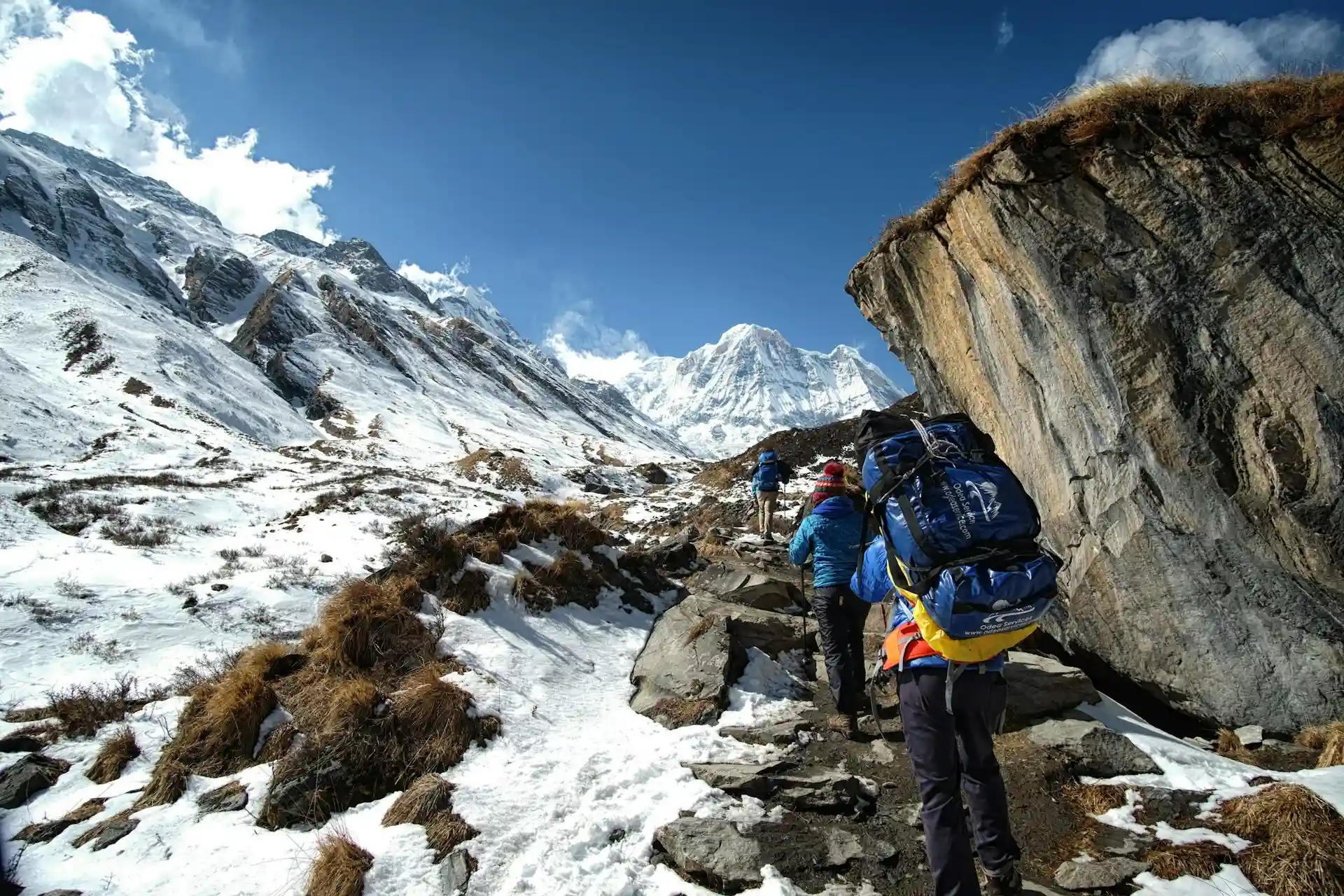
The Annapurna Base Camp trek is widely known as one of the most beautiful trekking experiences in Nepal, offering a perfect mix of nature, culture, and mountain scenery. While the main goal is to reach Annapurna Base Camp, the journey itself is filled with unforgettable highlights. Along the trail, you walk past waterfalls, rivers, forests, and traditional villages, each place adding something new to your experience. The route also offers stunning views of peaks like Annapurna I and Machhapuchhre, making every day of the trek visually rewarding.
From natural hot springs to peaceful monasteries and charming Gurung settlements, the trail showcases the rich beauty and culture of the Himalayas. As you explore these top 10 attractions on your way to the base camp at 4,130 meters, you begin to understand why this trek is considered a lifetime experience. High Route Adventure highlights these must-visit places to help you prepare better and enjoy each moment of this remarkable journey through the heart of the mountains.
The Annapurna Base Camp trek is one of Nepal’s most popular trekking routes, known for its stunning natural scenery and rich culture. Along the trail, you pass through beautiful villages, lush forests, and terraced fields. The trek also offers views of rushing rivers, waterfalls, and colorful rhododendron forests. The main highlight is the close-up view of snow-capped peaks like Annapurna South and Machhapuchhre. Knowing the key attractions beforehand makes the journey more enjoyable and memorable:
Ghandruk is a beautiful Gurung village located at around 2,012 meters in the Annapurna region. It is one of the most popular stops at the beginning of the trek. The village is known for its traditional stone houses, clean paths, and friendly local people. Most of the people living here belong to the Gurung community, and you can learn about their culture by visiting the local museum. From Ghandruk, you get clear views of mountains like Annapurna South and Machhapuchhre. The sunrise and sunset views are very beautiful here. There are many lodges and homestays where trekkers can stay and enjoy simple local food and peaceful village life.
Jhinu Danda is a small and relaxing place located at 1,760 meters. It is famous for its natural hot springs, which are about a 20-minute walk downhill from the village. After a long day of trekking, many trekkers come here to relax in the warm water, which is believed to help with body pain. Jhinu danda is also becoming a common starting or ending point for the trek because vehicles can reach here now. The area is surrounded by green forests and offers nice views of nearby hills and mountains like Machhapuchhre. You can also experience local Gurung culture, try simple foods like dal bhat and momos, and enjoy a peaceful night in a quiet environment.
Chomrong is a large and important village on the trek, located at about 2,170 meters. It is often the last big settlement before heading deeper into the Annapurna Sanctuary. The village is home to the Gurung community, known for their warm hospitality and simple lifestyle. Chomrong has many teahouses where you can rest, eat, and enjoy beautiful views of the mountains. From here, you can see peaks like Annapurna South and Machhapuchhre clearly. It is also a place where trekkers prepare for the more difficult part of the journey ahead. The trail from Chomrong goes steeply down and then up again, so it can feel a bit challenging, but the views and peaceful surroundings make it worth the effort.
Sinuwa is a quiet village located at around 2,300 meters. It is known as the last place on the trek where you will see farming fields and terraces. After Sinuwa, the trail moves into dense forest areas with no villages for farming. The place is surrounded by bamboo and oak forests, giving it a very natural and peaceful feeling. It is also known in the region for traditional honey hunting, which is done in nearby areas. Trekkers usually stop here to rest before continuing deeper into the forest trail. The fresh air, greenery, and calm environment make Sinuwa a good place to relax and enjoy nature before heading toward higher altitudes.
Bamboo is a small settlement at around 2,335 meters, surrounded by thick bamboo and rhododendron forests. As the name suggests, bamboo trees are found everywhere in this area. It is a peaceful place where trekkers often stop for rest or overnight stay. The forest around Bamboo is home to wildlife like monkeys and Himalayan tahr, and sometimes trekkers may even hear or see them. The sound of the river nearby and the cool shade of the forest make this place very relaxing. There are a few simple teahouses where you can eat and sleep. Bamboo is also a good place to experience quiet nature before continuing toward higher and more open areas.
Dovan is a small stop located at around 2,550 meters, just after Bamboo. It is mainly a resting place with a few teahouses where trekkers can take a break, eat meals, or stay overnight. Here, the environment is quiet and surrounded by forest, giving a peaceful feeling. The menu in the teahouses is simple, so it is a good idea to inform them early if you want meals prepared on time. Dovan is not a big village, but it is an important stop on the way to higher altitude places. It helps trekkers rest and slowly adjust before moving further up the trail toward Himalaya and Deurali.
Himalaya is a small place located at around 2,680 meters. Despite the name, it is not a big village but a simple resting point with a few teahouses. You reach here after walking through forests and crossing streams and waterfalls. The area feels very close to nature, with mountains rising around you. It is a quiet and peaceful stop where trekkers can relax before continuing their journey. The air becomes cooler from here, and the surroundings start to change as you move higher. Himalaya is a good place to rest, enjoy the fresh mountain environment, and prepare for the next part of the trek.
Deurali is located at about 3,230 meters and is one of the important stops before reaching higher altitude areas. It has a few lodges and teahouses where you can stay and eat. The views here are more open, and you can clearly see the surrounding mountains. From Deurali, the trail moves toward Machhapuchhre Base Camp. The landscape starts to look more rocky and less forested. It is also important to walk slowly and stay well-rested here because the altitude is higher. Deurali is a good place to take a break and prepare for the final stages of the trek.
Machhapuchhre Base Camp is located at around 3,700 meters and is one of the most beautiful places on the trek. It sits below the sacred Machhapuchhre mountain, which has a unique fishtail shape. Climbing this mountain is not allowed, as it is considered holy. From MBC, the views of the surrounding peaks are very close and clear. The sunrise and sunset here are especially beautiful, with golden light shining on the snow-covered mountains. There are a few teahouses where trekkers can rest before heading to Annapurna Base Camp. The cold weather and high altitude make it important to stay warm and move slowly.
The Annapurna Glacier is located near Annapurna Base Camp at around 4,050 meters. It lies inside the Annapurna Sanctuary, which is surrounded by tall mountains. The glacier is a large area of ice and snow, giving a true high-mountain experience. From here, you can see peaks like Annapurna I rising above you. The area feels very quiet and powerful, with only the sound of wind and nature around. Visiting the glacier is a special part of the trek, as it shows the raw beauty of the Himalayas and makes the journey to the base camp even more memorable.
Not all trekkers follow the same route during the Annapurna Base Camp trek. Some choose a shorter path, while others prefer a longer route to explore more places. These optional stops add extra beauty and variety to the journey. They are perfect for those who have more time and want to enjoy more views and nature. Places like forests, viewpoints, and quiet villages make the trek even more special. Adding these destinations also gives you a chance to experience different landscapes before reaching the main trail:
Tadapani is a peaceful village located at around 2,630 meters, surrounded by thick rhododendron and bamboo forests. It is a quiet stop where trekkers can rest and enjoy fresh mountain air. The area is rich in nature, and you may see birds and animals along the trail. Tadapani is also known for its beautiful mountain views, especially during sunrise and sunset. From here, you can see peaks like Annapurna South and Machhapuchhre glowing in soft light. The lodges here are simple but comfortable, offering warm food and a calm environment. It is a perfect place for nature lovers who want to enjoy quiet moments during the trek.
Poon Hill is one of the most famous viewpoints in the Annapurna region, located at about 3,210 meters. It is known for its short and easy hike, making it suitable for beginners as well. The main highlight of Poon Hill is the sunrise view. Trekkers wake up early and hike to the top to watch the sun rise over the mountains. Peaks like Annapurna and Dhaulagiri turn golden, creating a very beautiful scene. The trail to Poon Hill passes through forests, small villages, and terraced fields. It is a great addition to the Annapurna Base Camp trek for those who want to enjoy extra views and spend more time in nature.
Planning a trek to Annapurna Base Camp becomes much easier when you travel with a trusted and experienced team. Everest Chopper focuses on making your journey safe, comfortable, and well-managed from start to finish. Our team understands the trail, weather, and local conditions very well. This helps reduce stress and allows you to fully enjoy the trekking experience in the Himalayas.
Experienced Guides and Team: Everest Chopper provides skilled and licensed guides who know the Annapurna region in detail. We assist with navigation, share local knowledge, and ensure your safety, making your journey more comfortable and informative.
Strong Focus on Safety: Safety is a top priority throughout the trek. The team carefully monitors altitude, weather conditions, and your health, helping you acclimatize properly and reducing the risk of altitude sickness or other problems.
Flexible Travel Options: We offer flexible plans, including helicopter return services from Annapurna Base Camp. This is perfect for trekkers with limited time or those who want a different and more comfortable return journey.
Well-Managed Accommodation and Meals: All accommodation and meals are arranged in advance at reliable teahouses. This saves time and effort during the trek, allowing you to focus on enjoying the journey instead of worrying about logistics.
Reliable Support and Organization: From permits to transportation, everything is handled properly by the team. They provide clear communication before and during the trek, ensuring a smooth and stress-free experience from start to finish.
Journey to Annapurna Base Camp is not only about reaching the final destination but also about enjoying every place along the way. Each village and stop on the trail has its own beauty, whether it is the cultural experience in Ghandruk, the relaxing hot springs at Jhinu Danda, or the peaceful forests around Bamboo and Sinuwa. As you move higher, the landscape slowly changes from green hills to rocky paths and snowy mountains, making the trek more exciting day by day.
The views of peaks like Machhapuchhre and Annapurna I make the journey even more special. Bonus places like Poon Hill and Tadapani add extra beauty if you choose a longer route. With simple preparation and a steady pace, this trek becomes a safe and unforgettable experience. In the end, Annapurna Base Camp is a journey full of nature, culture, and mountain views that stays in your memory for a long time.
Annapurna Base Camp is special because it sits in a natural amphitheater surrounded by high Himalayan peaks. Trekkers get close-up mountain views, especially during sunrise and sunset. The mix of culture, forests, and snow landscapes makes it a complete and unforgettable trekking experience.
The Everest Base Camp trek is generally harder than Annapurna Base Camp. It involves higher altitude, longer duration, and more challenging conditions. ABC is shorter and slightly easier, making it suitable for beginners with good fitness and basic trekking preparation.
Annapurna is famous for its stunning beauty and diverse landscapes. Trekkers can experience forests, rivers, and high mountains in one journey. Its accessibility and well-developed trekking routes make it one of the most popular destinations in Nepal.
Annapurna I is known as a “silent killer” due to its high avalanche risk and unpredictable weather. Climbers face sudden dangers without warning, making it one of the most dangerous mountains to summit despite its breathtaking beauty.
The highest peak in the Annapurna range is Annapurna I, which stands at 8,091 meters. It is the tenth highest mountain in the world and a major highlight of the Annapurna region, attracting climbers and trekkers from around the globe.
